The Uterine Microbiome May Influence IVF Success, Irish Researchers Find
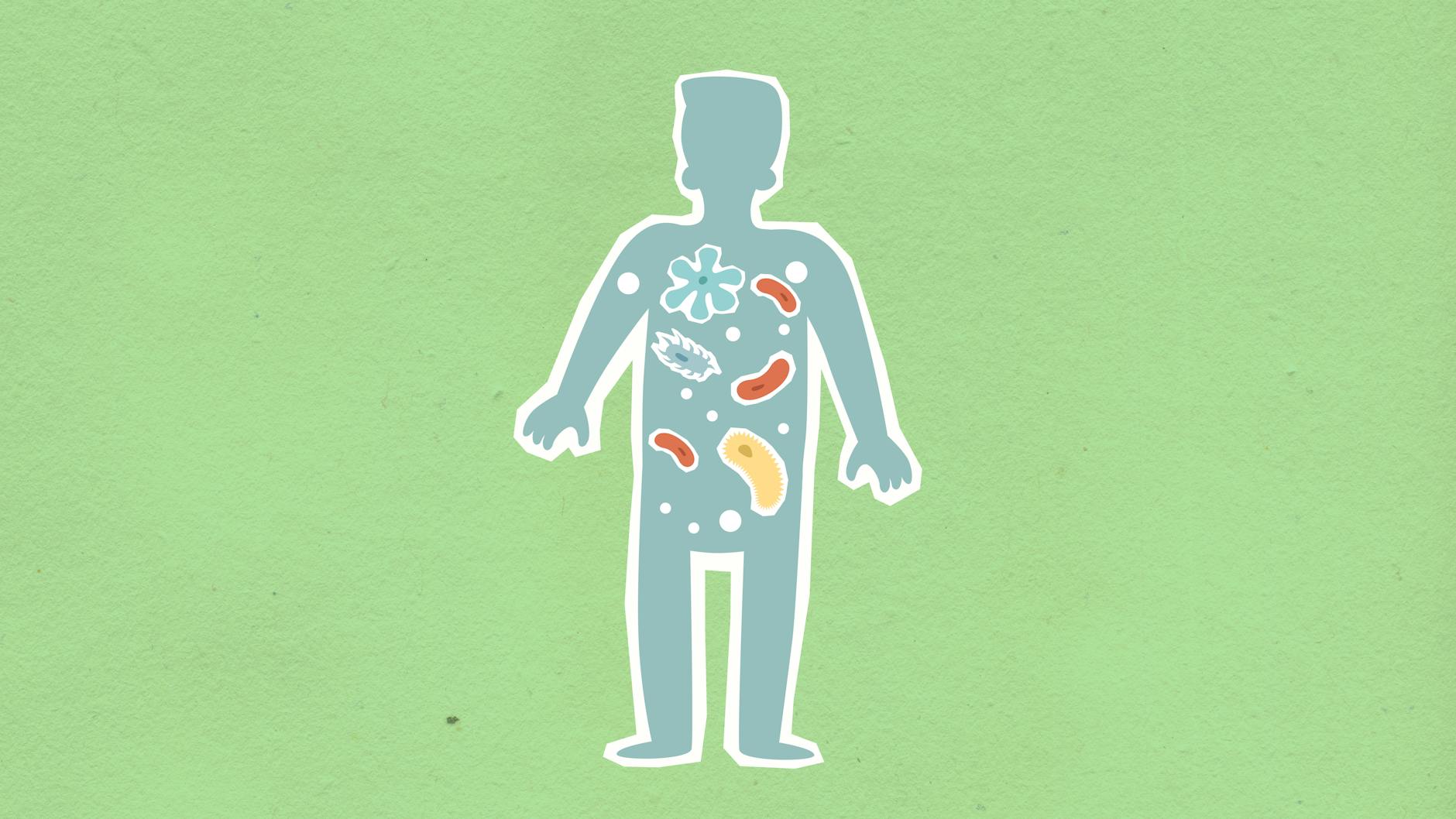
Researchers at Trinity College Dublin have reported that bacteria detected in the uterine lining may be linked to the success or failure of assisted reproductive technologies such as IVF. Women whose ART cycles were unsuccessful exhibited a more diverse uterine microbiome, lower levels of Lactobacillus, and higher abundance of other bacterial species compared with those who achieved pregnancy. The same women also showed unexpectedly higher expression of genes tied to endometrial receptivity, while laboratory exposure of endometrial cells to the bacterial metabolite butyrate triggered inflammation and weakened intercellular barriers.
Key Takeaways
- Uterine bacterial composition could become a new factor in evaluating fertility treatment prospects.
- Balancing microbial diversity may help improve the uterine environment for embryo implantation.
- Metabolites like butyrate might directly affect endometrial health, opening avenues for therapeutic research.
| Metric | Value | Why it matters |
|---|---|---|
| Senior author | Cliona O’Farrelly, immunologist | Leads the immunology perspective of the study |
| First author | Federica Giangrazi, biochemist | Conducted the biochemical analyses |
| Institution | Trinity College Dublin, Ireland | Site of the research and sample collection |
| Study focus | Uterine microbiome & ART outcomes in unexplained infertility | Targets a gap in fertility‑treatment knowledge |
What the Researchers Investigated
The team set out to determine whether the bacterial community inside the uterus correlates with the results of IVF and related procedures in women whose infertility lacks an obvious cause.
Understanding the uterine ecosystem could reshape how clinicians assess implantation potential.
Microbial Diversity and Pregnancy Outcomes
Analysis revealed that a richer, more varied bacterial population was present in the uterine lining of women who did not achieve pregnancy through ART.
Conversely, a dominance of Lactobacillus—a genus often associated with a healthy vaginal environment—was more common among those who became pregnant.
Unexpected Gene‑Expression Patterns
Women with the more diverse microbiome also displayed higher levels of genes linked to endometrial receptivity, a finding the authors described as surprising.
This paradox suggests that gene activation alone may not guarantee successful implantation if the microbial context is unfavorable.
Laboratory Insight: The Role of Butyrate
In vitro experiments exposed cultured endometrial cells to butyrate, a metabolite produced by certain bacteria.
The exposure provoked an inflammatory response and compromised the cells’ tight junctions, weakening the barrier that normally protects the uterine lining.
If bacterial metabolites can disrupt the uterine barrier, targeting them may become a therapeutic strategy.
Potential Clinical Implications
These findings hint that screening the uterine microbiome before IVF could identify patients who might benefit from microbial modulation.
Future interventions might aim to increase Lactobacillus prevalence or reduce harmful metabolites like butyrate, thereby improving the uterine environment for embryo implantation.
Why it Matters
Infertility affects millions worldwide, and IVF remains one of the most costly and emotionally taxing treatments. By uncovering a previously overlooked factor—uterine bacteria—this research opens a new diagnostic frontier that could increase success rates, reduce cycle cancellations, and ultimately lower the personal and financial burden on couples seeking to conceive.
Frequently Asked Questions
What is the uterine microbiome?
It is the community of bacteria that resides on the inner lining of the uterus, distinct from the vaginal microbiome.
How might microbial composition affect IVF success?
Diverse bacterial populations, especially those lacking Lactobacillus, appear linked to lower implantation rates, possibly through inflammation or barrier disruption.
Who conducted the study?
The research was led by immunologist Cliona O’Farrelly and biochemist Federica Giangrazi at Trinity College Dublin, Ireland.
What did the laboratory experiments reveal?
Exposure of endometrial cells to the bacterial metabolite butyrate caused inflammation and weakened the cells’ connections, suggesting a direct mechanistic effect.
What are the next steps for this line of research?
Further studies will likely explore whether altering the uterine microbiome can improve ART outcomes and how to safely modulate bacterial metabolites.
Bottom Line
The Trinity College Dublin team has identified a clear association between uterine bacterial diversity and IVF outcomes, highlighting both a surprising gene‑expression pattern and a harmful effect of the metabolite butyrate on endometrial cells, thereby pointing to the uterine microbiome as a promising new target for fertility‑treatment optimization.
As research progresses, monitoring and potentially reshaping the uterine microbiome could become a routine part of personalized reproductive care.
Reporting based on: original source.


Comments
Post a Comment