Peripheral CD8+ T cells linked to Alzheimer’s neurodegeneration, study finds
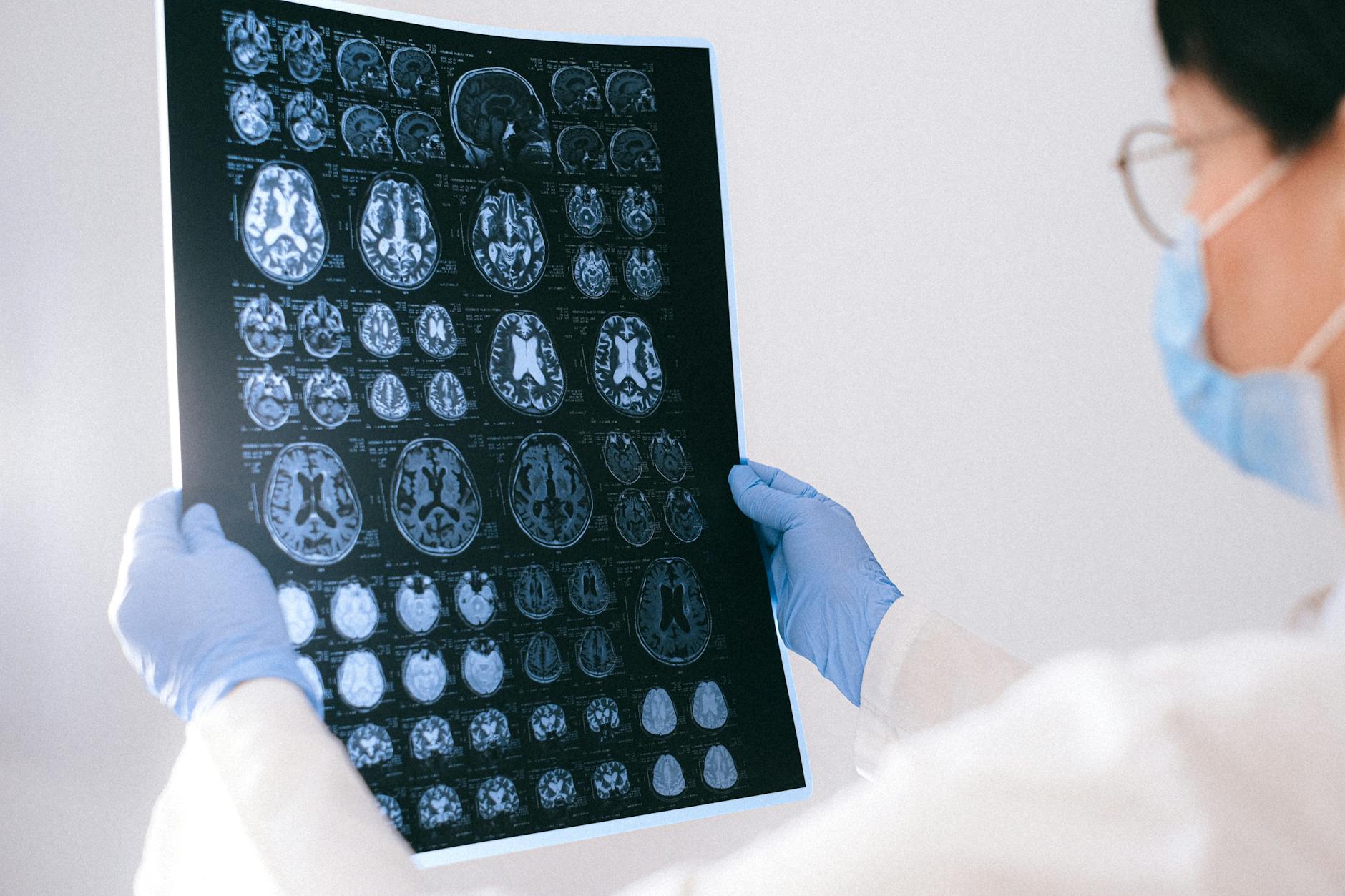
Key Takeaways
- Immune cells outside the brain can cause Alzheimer’s neurodegeneration.
- CD8+ T cells primed by cDC1s in deep cervical lymph nodes infiltrate the brain.
- Removing cDC1s reduces neuroinflammation without changing tau levels.
- Targeting peripheral immune pathways may bypass the blood‑brain barrier.
| Metric | Value | Why it matters |
|---|---|---|
| Publication | Nature Neuroscience | Peer‑reviewed evidence |
| Lead researcher | David Holtzman, Washington University | Expertise in neuroimmunology |
| Key immune cell | CD8+ T cells | Directly implicated in brain damage |
The Unexpected Source of Alzheimer’s Damage
Alzheimer’s is traditionally seen as a brain‑centric disease, yet evidence now points to a peripheral trigger. The study demonstrates that the brain’s own protein buildup can set off an immune cascade that ultimately harms neurons.
How the Immune System Gets Involved
Researchers traced the pathway to the deep cervical lymph nodes, where antigens from damaged neurons are captured. Conventional type 1 dendritic cells (cDC1s) present these antigens to CD8+ T cells, priming them for action.
Evidence from Mouse Models
In mice engineered to develop tau pathology, removing cDC1s or disrupting their cross‑presentation ability led to a marked reduction in neurodegeneration and inflammation. The number of CD8+ T cells in the brain dropped, yet tau levels remained unchanged, underscoring the immune system’s role.
Implications for Treatment
Targeting peripheral immune pathways could sidestep the blood‑brain barrier, a major hurdle in drug delivery. Existing T‑cell therapies approved for other diseases might be repurposed for Alzheimer’s, opening a new therapeutic frontier.
Why it Matters
Understanding that Alzheimer’s neurodegeneration can be driven by immune cells outside the brain reframes the disease’s biology. It suggests that early intervention could focus on the lymphatic system rather than the central nervous system, potentially accelerating therapeutic development.
Frequently Asked Questions
What is the main discovery of the study?
The study shows that CD8+ T cells, activated by dendritic cells in the deep cervical lymph nodes, infiltrate the brain and contribute to Alzheimer’s neurodegeneration.
How does this change current Alzheimer’s research?
It shifts focus from solely brain‑centric mechanisms to include peripheral immune activation, offering new targets for therapy.
What are the next steps for translating this into treatment?
Researchers will need to confirm the mechanism in humans and explore existing T‑cell–modulating drugs for safety and efficacy in Alzheimer’s patients.
Why were tau levels unchanged when cDC1s were removed?
Removing cDC1s reduced immune activation and inflammation, but did not affect the underlying tau protein accumulation, indicating that the immune response, not tau itself, drives much of the damage.
Can this approach help other neurodegenerative diseases?
Since similar immune mechanisms may be involved in other protein‑based neurodegenerative conditions, the findings could have broader therapeutic implications.
Bottom Line
Alzheimer’s neurodegeneration may be fueled by an immune response that originates outside the brain. By targeting peripheral immune cells—particularly CD8+ T cells primed by cDC1s in the deep cervical lymph nodes—researchers hope to develop treatments that bypass the blood‑brain barrier and reduce brain inflammation without altering tau pathology.
Future research will determine whether these peripheral immune pathways can be safely modulated in humans, potentially opening a new chapter in Alzheimer’s therapy.
Reporting based on: original source.


Comments
Post a Comment