Reviving Aged Liver Cells in Rats Lowers Amyloid‑Beta, LDL and Oxidized LDL
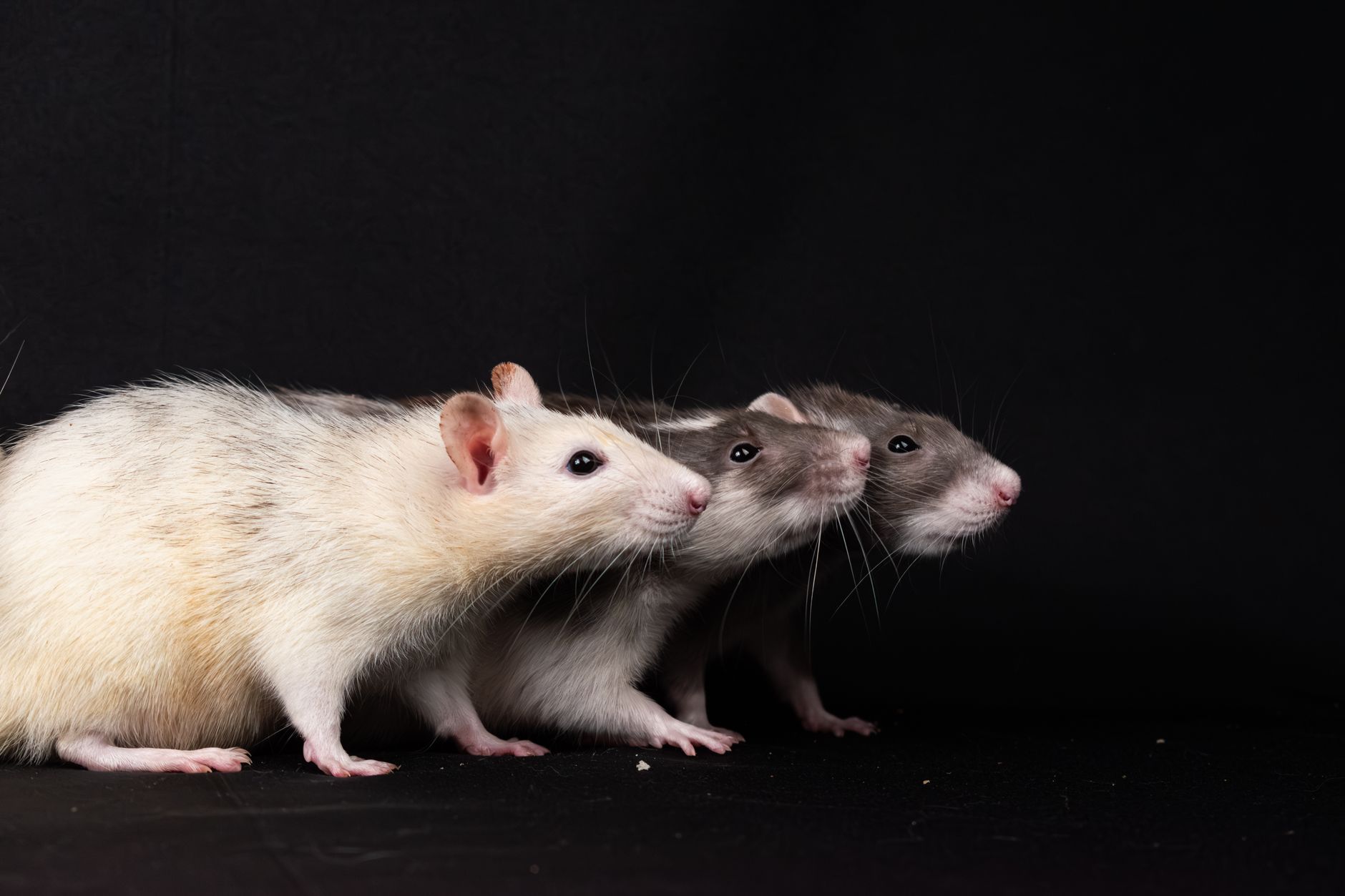
Key Takeaways
- Cinaciguat restored function in aged rat liver cells.
- Blood levels of amyloid‑beta, LDL and oxidized LDL dropped to youthful levels.
- Improved cell porosity and signaling boosted the liver’s filtration capacity.
- The work was led by gastroenterologist Laurie DeLeve and lab technician Sam de Leve.
| Metric | Value | Why it matters |
|---|---|---|
| Drug used | Cinaciguat (experimental) | Targets liver cell aging, a novel therapeutic angle. |
| Primary outcomes | Reduced amyloid‑beta, LDL, oxidized LDL | Markers linked to Alzheimer’s and heart disease. |
| Lead institution | Keck School of Medicine, USC | Provides academic credibility and resources. |
| Key researchers | Laurie DeLeve (co‑author), Sam de Leve (first author) | Highlights interdisciplinary collaboration. |
What the Study Did
The team administered cinaciguat to aged rats and monitored liver cell morphology and blood biomarkers. They observed that treated cells became noticeably more porous, a physical change that facilitates better exchange of substances.
Increased porosity directly correlated with improved filtration of toxic molecules.
How Liver Cells Were Revived
Cinaciguat appears to reset cellular signaling pathways, allowing aged hepatocytes to regain youthful communication patterns. Enhanced inter‑cellular signaling was documented alongside the structural changes.
Better signaling means the liver can more efficiently process and clear harmful substances.
Implications for Alzheimer’s and Heart Disease
Amyloid‑beta accumulation is a hallmark of Alzheimer’s disease, while elevated LDL and oxidized LDL are risk factors for cardiovascular disease. By lowering these markers to youthful levels, the study suggests a potential route to mitigate both conditions through liver health.
Study Team and Setting
The research was conducted at the Keck School of Medicine, University of Southern California. Gastroenterologist Laurie DeLeve contributed as a co‑author, and lab technician Sam de Leve served as the first author, indicating a blend of clinical insight and hands‑on experimentation.
Why It Matters
Targeting liver cell aging offers a fresh perspective on diseases traditionally linked to the brain and heart. If similar effects translate to humans, therapies that rejuvenate the liver could become part of broader strategies against Alzheimer’s and atherosclerosis.
Frequently asked questions
What is cinaciguat?
Cinaciguat is an experimental drug used in this study to restore function in aged liver cells of rats.
Which biomarkers were reduced?
The treatment lowered circulating amyloid‑beta, LDL cholesterol and oxidized LDL to levels typical of young rats.
Who led the research?
The work was carried out by researchers at USC’s Keck School of Medicine, with gastroenterologist Laurie DeLeve as co‑author and lab technician Sam de Leve as first author.
Why focus on liver cells?
The liver filters blood and its aging can impair removal of harmful molecules; rejuvenating it may help lower disease‑related biomarkers.
Can these findings be applied to humans?
The study was performed on rats, so further research is needed to determine whether similar benefits occur in humans.
Bottom Line
Reviving aged liver cells in rats with cinaciguat dramatically reduced amyloid‑beta, LDL and oxidized LDL, suggesting that liver rejuvenation could become a novel avenue for preventing Alzheimer’s and heart disease, pending human trials.
Future investigations will need to confirm safety and efficacy in people before clinical applications can be considered.
Reporting based on: original source.


Comments
Post a Comment