More Than 1,000 Birds Killed or Injured in Chicago Window Collisions Over Weekend
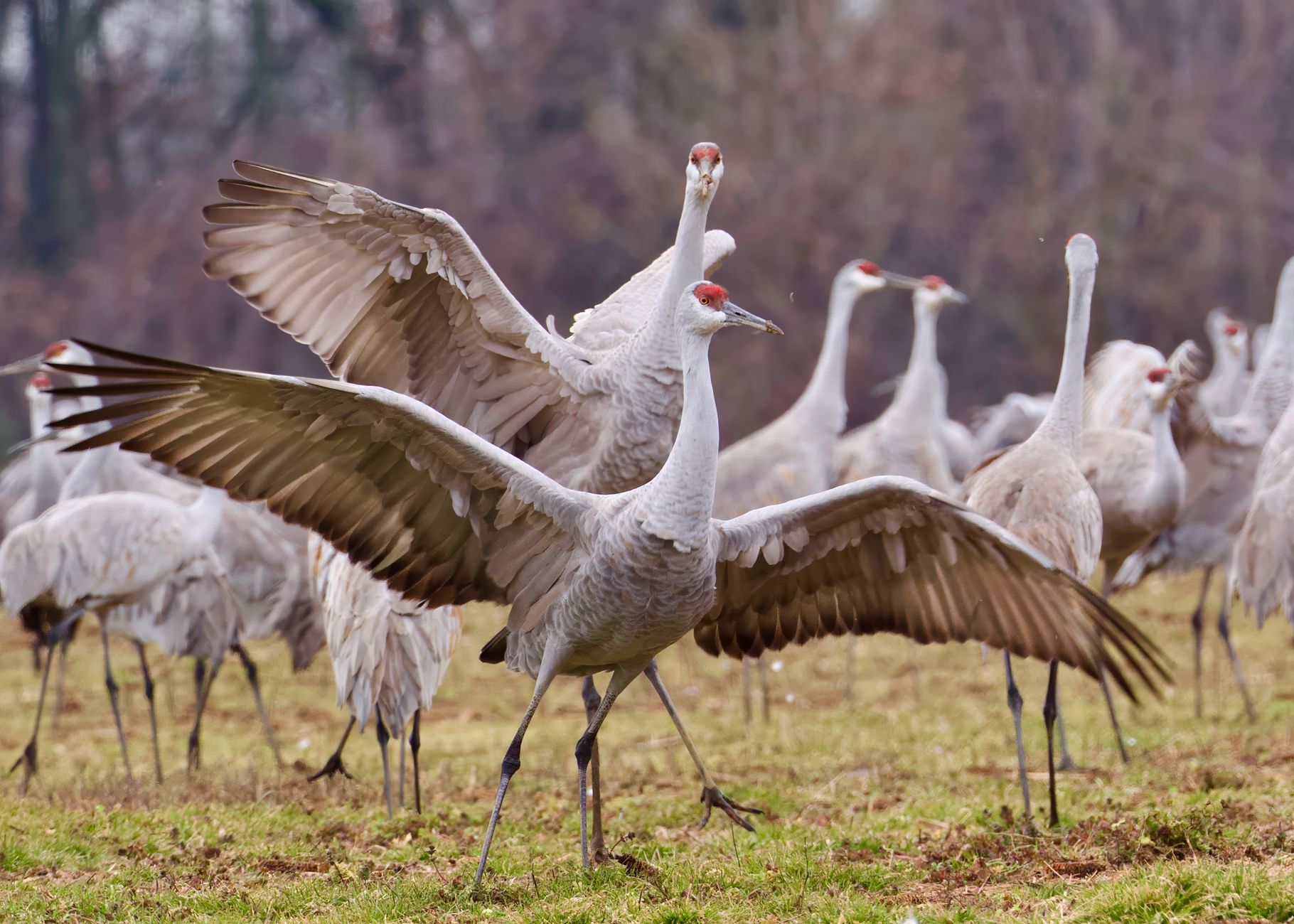
On October 17 and 18, volunteers with Chicago Bird Collision Monitors recovered more than 1,000 wounded or dead birds from glass windows in downtown Chicago and the northern suburb of Evanston, according to Fox 32 Chicago’s Nic Flosi.
Key Takeaways
- More than 1,000 birds were killed or injured in Chicago area window collisions during the weekend.
- Over 5 million birds flew over Cook County on the evening of October 16, driven by a cold front and favorable tailwinds.
- Chicago’s glass‑heavy skyline and artificial lights are major hazards for migrating birds.
- Installing bird‑safe film and other measures at McCormick Place cut collision deaths by more than 90 % the following autumn.
- City leaders are urged to mandate bird‑friendly design for all new and renovated buildings.
| Metric | Value | Why it matters |
|---|---|---|
| Birds killed/injured | >1,000 | Shows scale of collision problem. |
| Date of incident | Oct 17‑18, 2023 | Contextualizes event within fall migration. |
| Birds over Cook County | >5 million | Illustrates massive migration volume. |
| Film cost at McCormick Place | $1.2 million | Demonstrates investment in prevention. |
| Reduction in deaths after film | >90 % | Evidence of effectiveness. |
Weekend Collision Surge
The Chicago Bird Collision Monitors, a volunteer nonprofit, spent two days rescuing wounded birds and collecting carcasses in the city’s glass‑laden downtown and the suburb of Evanston. Annette Prince, the organization’s director, said the team “picked up a bird at a building, went around that building, and immediately found another,” highlighting how common the problem is.
Volunteer Response and Unseen Scale
Prince notes that the >1,000 birds recovered likely represent only a fraction of those injured or killed during the fall migration or over the weekend. “We can only find what’s on the ground,” she told WTTW’s Patty Wetli, adding that many more birds probably go undiscovered. “We don’t even know the full extent, and that’s very sobering,” she said.
Migration Context and Weather Factors
According to the Cornell Lab of Ornithology’s BirdCast, more than five million birds flew through Cook County on the evening of October 16. A cold front brought favorable northerly tailwinds that helped push birds south. Nationwide, the same night saw an estimated >1 billion migratory birds take flight.
City’s Window Hazard and Prevention Efforts
Chicago sits on the Mississippi Flyway, a major corridor for millions of birds traveling between North, Central, and South America each spring and fall. The city’s abundance of glass and artificial lights misleads birds, which mistake reflections for open air and collide at speeds up to 30 mph, causing death or serious injury. Artificial lights also attract and disorient birds, especially at night.
In October 2023, nearly 1,000 birds died in a single night after crashing into McCormick Place Lakeside Center, an event venue with a primarily glass facade. Ahead of the 2024 fall migration, the building’s managers spent $1.2 million installing a special polka‑dot‑covered film designed to help birds differentiate windows from open air. The center also pledged to switch off non‑essential exterior lights and close drapes and blinds at night. Those measures led to a >90 % reduction in bird collision deaths during the following autumn season.
Policy Push for Bird‑Friendly Buildings
Wildlife advocates are urging Chicago leaders to mandate bird‑safe design for all new and renovated buildings. The city council is considering a bird‑friendly building ordinance currently under revision in the zoning committee, according to the Chicago Tribune. Similar laws have already been adopted in New York City and Washington, D.C.
“Birds have a right to migrate and live and fly through our city without unnecessary harm,” said Jennifer Bell, a volunteer who has collected more than 350 birds since September. “We are causing unnecessary harm by continuing to build all of these glass buildings.”
Why It Matters
Birds are a vital part of urban ecosystems, pollinating plants, controlling insects, and serving as indicators of environmental health. The high collision rate in Chicago not only kills individual birds but also removes the strongest, most fit members of populations, potentially weakening their resilience. With North America having lost about three billion birds since 1970—roughly 29 % of the continent’s population—preventing preventable deaths is urgent.
Frequently Asked Questions
Why did so many birds collide with Chicago windows?
Birds cannot see transparent glass and often mistake reflections for open air. Artificial lights attract and disorient them, especially at night, increasing collision risk.
How many birds flew over Chicago during the incident?
More than five million birds passed through Cook County on the evening of October 16, according to the Cornell Lab of Ornithology’s BirdCast.
What measures can reduce bird collisions?
Installing bird‑safe films, reducing exterior lighting, and closing drapes or blinds at night have proven effective, as seen at McCormick Place where a >90 % drop in deaths followed these interventions.
Who is leading the volunteer response?
The Chicago Bird Collision Monitors, directed by Annette Prince, organized the rescue and recovery efforts over the weekend.
What is the status of a city ordinance for bird‑friendly buildings?
The Chicago zoning committee is revising language for a bird‑friendly building ordinance, which would mandate bird‑safe design for all new and renovated structures.
Bottom Line
More than 1,000 birds were killed or injured in Chicago window collisions over the weekend, a stark reminder of the hidden cost of glass‑heavy skylines. With over five million birds passing through the city each night of fall migration, preventing preventable deaths through design changes and lighting controls is both urgent and achievable.
Reporting based on: original source.


Comments
Post a Comment