Japanese Macaques Show Increased Food Avoidance After 2020 Disease Outbreak
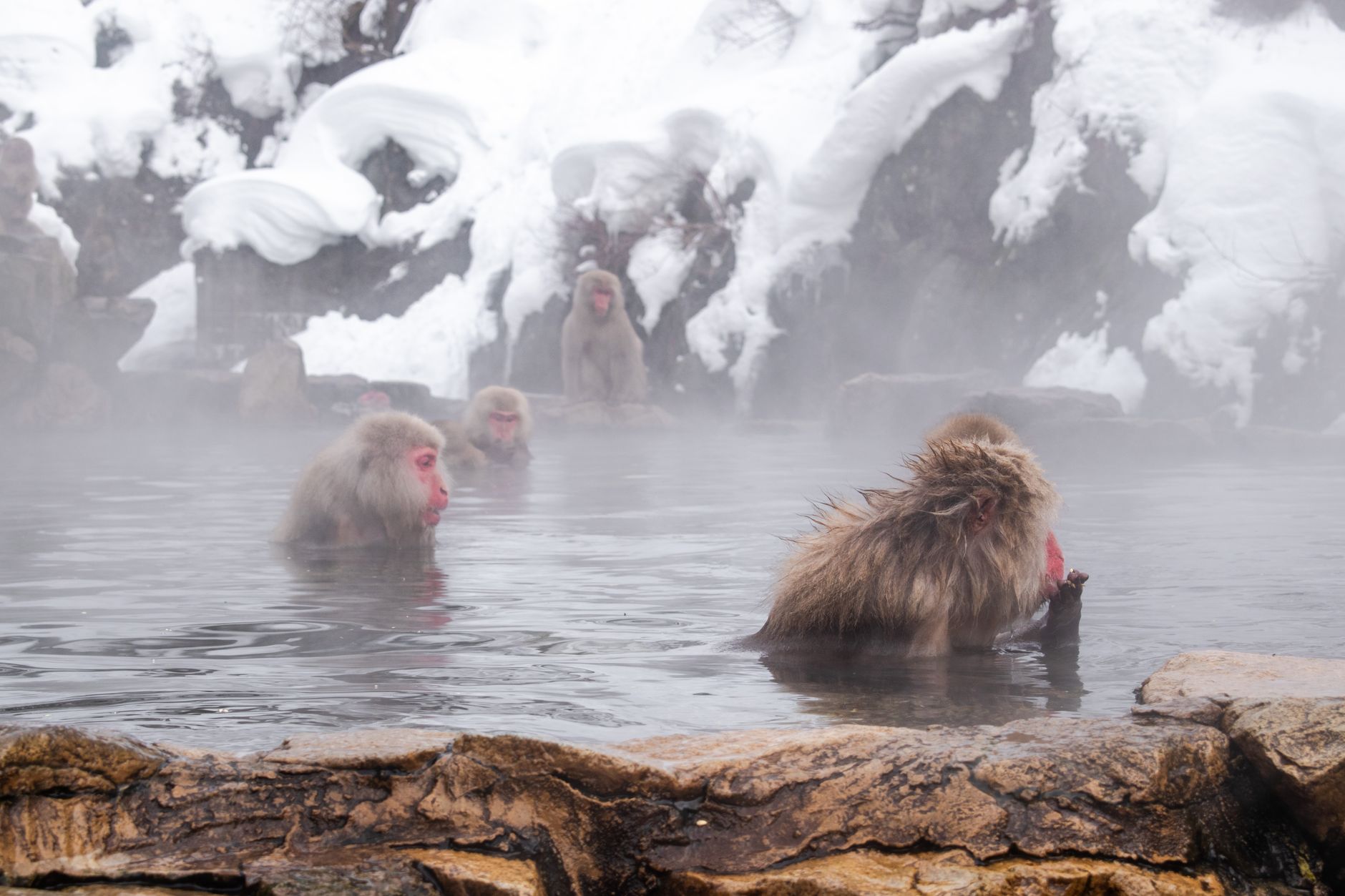
A study published in Royal Society Open Science found that Japanese macaques that survived a 2020 outbreak of simian retrovirus type II were significantly more cautious about food that appeared contaminated, even though the virus was not transmitted through food or feces.
Key Takeaways
- Outbreak‑exposed macaques ate contaminated food only 47 % of the time.
- Non‑exposed macaques ate contaminated food 79 % of the time.
- The change in behavior occurred regardless of whether individual monkeys had been infected.
- The study highlights the behavioral immune system in non‑human primates.
- Results suggest disgust and pathogen avoidance have deep evolutionary roots.
| Metric | Value | Why it matters |
|---|---|---|
| Disease | Simian retrovirus type II | Causes AIDS‑like immunodeficiency in monkeys. |
| Year of outbreak | 2020 | Context for behavioral change. |
| Number of macaques tested | 55 | Sample size for behavioral assessment. |
| Eating contaminated food (outbreak‑exposed) | 47 % | Reduced risk‑taking after exposure. |
| Eating contaminated food (non‑exposed) | 79 % | Baseline risk tolerance. |
What Happened in 2020
Staff at a primate sanctuary in southern Texas detected simian retrovirus type II in 2020, a virus that spreads through bites and scratches and can lead to severe illness and death.
The sanctuary isolated groups, conducted testing, and quarantined affected monkeys to control the outbreak.
Outbreak Details
The virus caused AIDS‑like immunodeficiency in some monkeys and required immediate containment measures.
How the Study Was Conducted
Researchers compared three groups that experienced the outbreak with one group that did not.
They presented macaques with food on a clean wooden surface and food on a surface covered with real macaque feces sealed under clear epoxy.
The sealed feces allowed monkeys to see the contamination without risk of infection.
In some trials, the clean surface was replaced with a brightly colored kitchen sponge to test whether avoidance was due to unfamiliar objects.
Experimental Design
The study controlled for food type and familiarity, focusing on visual cues of contamination.
Results: Cautious Eating Behavior
Macaques from outbreak‑exposed groups ate contaminated food in only 47 % of trials.
Macaques from non‑exposed groups ate contaminated food in 79 % of trials.
The difference persisted whether individual monkeys had been infected.
“We can show now, in non‑human primates, that this is the same for them,” said Federico Rossano, a co‑author and cognitive psychologist at the University of California San Diego.
Behavioral Immune System Explained
The behavioral immune system refers to actions that help avoid infection before the biological immune system responds.
The study demonstrates that primates can adjust these behaviors based on social experience with disease.
Behavioral Insight
Avoidance of visually contaminated surfaces increased after witnessing disease in the group.
Evolutionary Roots of Disgust
Human disgust is thought to protect against pathogens by triggering avoidance of harmful cues.
The macaque data suggest that this mechanism may be shared across primates and can be learned socially.
Social Learning
Group history influences individual risk tolerance and may persist over time.
Why it Matters
Understanding how primates adjust behavior after disease exposure offers insights into the evolution of pathogen avoidance.
The findings may inform conservation strategies and shed light on the origins of human disgust responses.
Frequently Asked Questions
What is simian retrovirus type II?
A virus that causes AIDS‑like immunodeficiency in monkeys and spreads through bites and scratches.
How many monkeys were tested?
Fifty‑five Japanese macaques were tested in the study.
Did infected monkeys behave differently?
No; the change in cautious eating occurred regardless of whether individual monkeys had been infected.
What does 47 % versus 79 % mean?
It shows that outbreak‑exposed macaques were less likely to eat food that appeared contaminated compared to non‑exposed macaques.
What are the implications for human health?
The study suggests that pathogen avoidance behaviors may have deep evolutionary roots shared across primates.
Bottom Line
Japanese macaques that survived a 2020 disease outbreak became markedly more cautious about food that looked contaminated, illustrating that primates can learn to avoid potential pathogens through social experience. This research underscores the behavioral immune system’s role in disease prevention and points to shared evolutionary mechanisms behind disgust in humans and other primates.
Reporting based on: original source.


Comments
Post a Comment