Rare Lobsters Ethel and Gertrude Move to Gulf of Maine Research Institute for Student Education
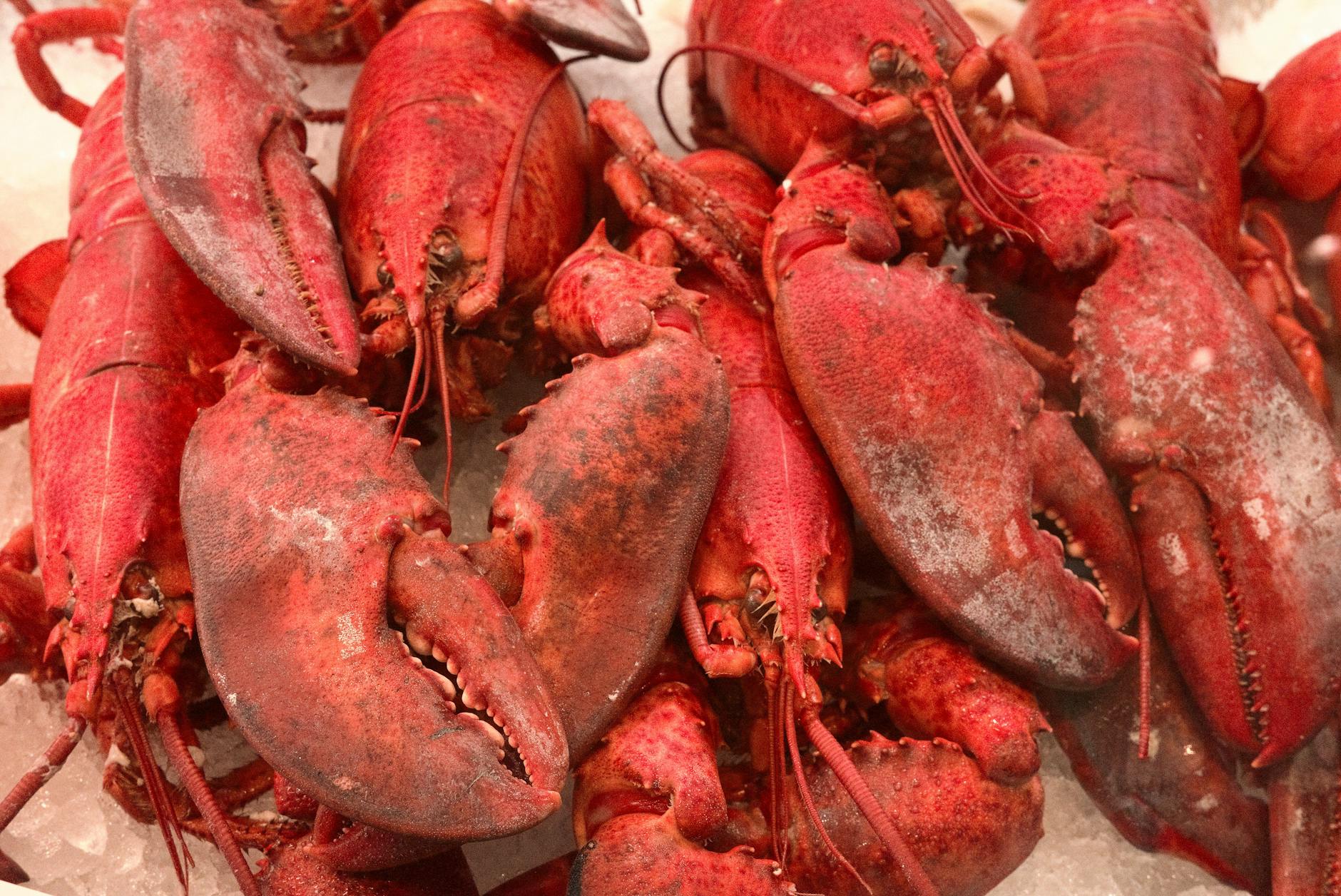
Two unusually colored lobsters, Ethel—a split‑colored orange‑black specimen—and Gertrude—a bright blue lobster—have been relocated to the Gulf of Maine Research Institute (GMRI) in Portland, Maine, where they will serve as teaching tools for students.
The move was coordinated by staff from the Portland Lobster Company and Sea Salt Lobster Wholesale, with Shawn McEwen and the GMRI LabVenture program playing key roles.
The LabVenture program, established in 2005, uses live specimens to enhance marine biology education.
Key Takeaways
- Ethel is a split‑colored orange‑black lobster.
- Gertrude is a bright blue lobster.
- Both were moved to GMRI for student education.
- The transfer involved Shawn McEwen and staff of the Portland Lobster Company.
- GMRI’s LabVenture program began in 2005.
| Metric | Value | Why it matters |
|---|---|---|
| Lobster Name | Ethel, Gertrude | Identifies the unique specimens. |
| Coloration | Split‑orange‑black; bright blue | Highlights rarity and visual appeal. |
| Program Start | 2005 | Shows long‑standing educational initiative. |
| Institute | Gulf of Maine Research Institute, Portland, Maine | Location of the educational program. |
The Lobsters: Ethel and Gertrude
Ethel is a split‑colored lobster, displaying a striking orange and black pattern.
Gertrude is a bright blue lobster, a rare coloration that draws scientific interest.
The Move to GMRI
Shawn McEwen, an employee of Sea Salt Lobster Wholesale in Saco, Maine, first contacted GMRI about Ethel.
Staff of the Portland Lobster Company arranged Gertrude’s transfer to GMRI.
LabVenture Program Overview
LabVenture is an educational program at GMRI that began in 2005.
The program uses live marine specimens to provide hands‑on learning for students.
Key People Behind the Transfer
Shawn McEwen facilitated the initial contact for Ethel.
Sam Fuss, an educator with GMRI’s LabVenture program, was involved in the integration of the lobsters.
Zoë Kennedy, Lead Educator for LabVenture, oversees the educational use of the specimens.
Educational Impact
Students at GMRI will observe and study the lobsters’ unique coloration and biology.
The live specimens provide a tangible example of marine biodiversity for coursework.
Future of Rare Lobsters
The presence of Ethel and Gertrude at GMRI may encourage further research into lobster coloration.
Their unique traits could inspire new educational modules and public outreach.
Why it matters
These rare lobsters bring a vivid, real‑world element to marine biology classes, helping students grasp concepts of genetics, adaptation, and marine ecology.
Frequently Asked Questions
Who are Ethel and Gertrude?
Ethel is a split‑colored orange‑black lobster, and Gertrude is a bright blue lobster.
Where are they now?
Both lobsters are housed at the Gulf of Maine Research Institute in Portland, Maine.
Who arranged their transfer?
Shawn McEwen of Sea Salt Lobster Wholesale initiated contact for Ethel, while staff of the Portland Lobster Company arranged Gertrude’s move.
What is the LabVenture program?
LabVenture is a student education initiative at GMRI that began in 2005 and uses live marine specimens for hands‑on learning.
Why are these lobsters considered rare?
Their unusual color patterns—split orange‑black and bright blue—are uncommon in natural lobster populations.
Bottom Line: The relocation of Ethel and Gertrude to GMRI enriches marine biology education with rare, visually striking specimens, offering students a unique opportunity to study lobster coloration and biology firsthand.
Reporting based on: original source.


Comments
Post a Comment