Pygmy Raccoons of Cozumel: A New Form of Material Culture Revealed
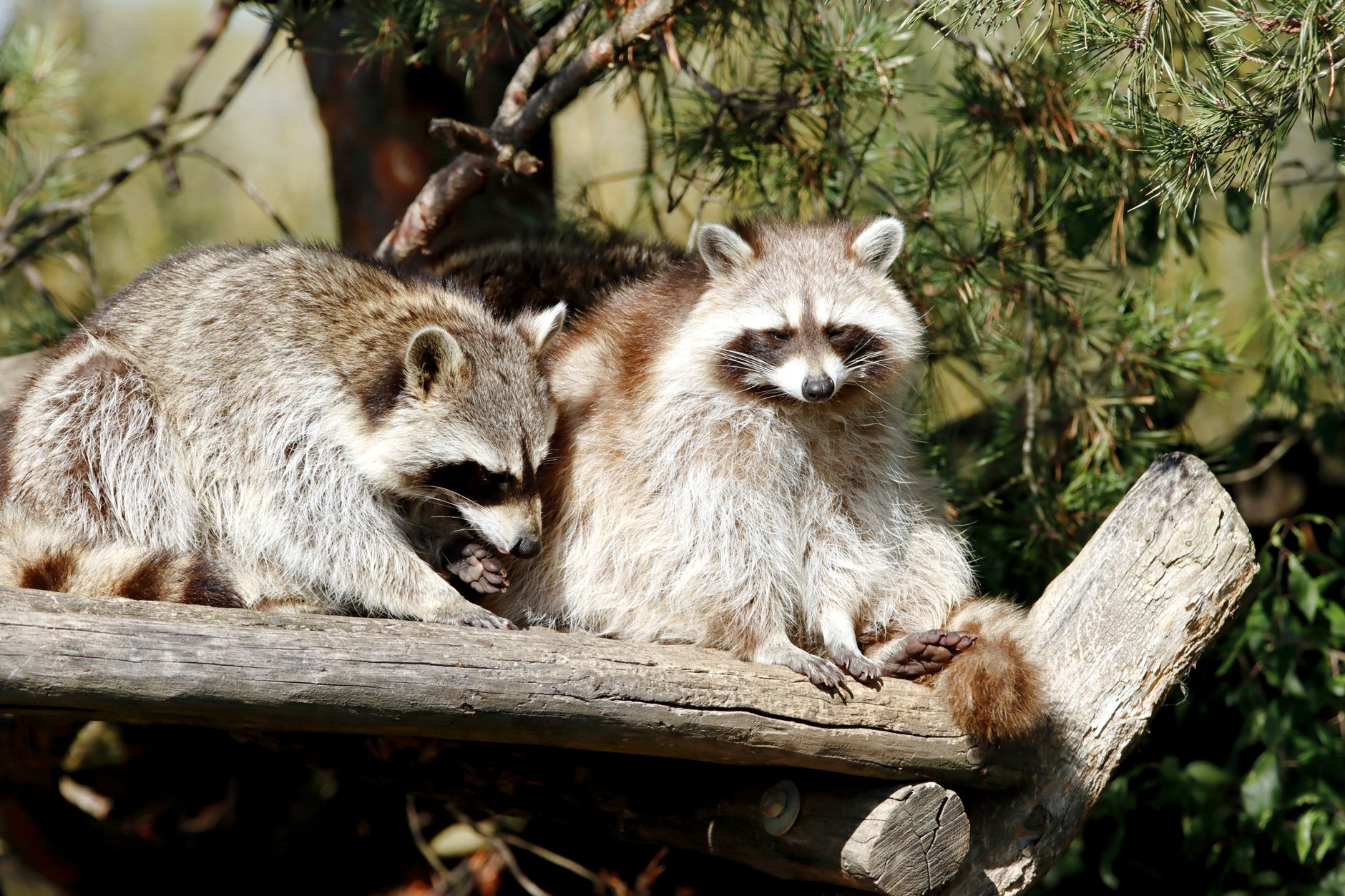
The tourist‑filled beaches of Cozumel, Mexico, are home to fewer than 200 mature pygmy raccoons, a species that exists only on the island. In January, a young raccoon was observed turning a discarded receipt into a ball and playing with it, a behavior that researchers later documented as a cultural skill passed within a family.
Key Takeaways
- Fewer than 200 mature pygmy raccoons survive on Cozumel.
- A raccoon created a toy ball from a receipt, demonstrating material culture.
- The behavior was learned and shared among family members.
- First documented evidence of material culture in the Procyonidae family.
- Findings highlight the social and playful nature of raccoons, informing conservation.
| Metric | Value | Why it matters |
|---|---|---|
| Population size | Fewer than 200 mature individuals | Critical endangerment status |
| Study publication date | 25 August 2023 | Recent scientific evidence |
| Species | Pygmy raccoon (Cozumal raccoon) | Endemic to Cozumel |
| Behavior observed | Receipt turned into toy ball | First evidence of material culture in Procyonidae |
The Rare Pygmy Raccoon of Cozumel
Cozumel’s pygmy raccoons weigh between six and nine pounds, comparable to a newborn human baby, whereas mainland raccoons typically weigh between 15 and 40 pounds.
These mammals are known for scavenging through trash cans for leftovers, a habit that has attracted tourist attention.
Material culture refers to objects that a group creates, uses, or leaves behind to define its way of life. In animals, this often involves tools or food‑finding techniques, but the creation of a toy for play is exceptionally rare.
The January Toy‑Ball Discovery
In January, a juvenile raccoon bypassed food scraps and plucked a receipt from a waste bin. She dunked the paper in water, rolled it between her front paws and the sand, and formed a compact ball.
She then chased and bathed the ball across the ground, effectively inventing her own toy.
“In my mind, the raccoon’s toy wasn’t some big major discovery… Look how cute! She’s making a ball!” – Nessie O’Neil, Miami University biologist
The Study and Material Culture
On 25 August 2023, researchers published a paper in the journal Wild detailing the behavior. The study shows the toy‑ball habit was not an isolated quirk but a skill shared among members of a single family.
It represents the first documented evidence of material culture in the Procyonidae family, which includes raccoons, coatis, and ringtails.
Family Learning and Cultural Transmission
During 64 hours of field observations, the raccoon’s sister was the first to replicate the ball‑making process. Their mother attempted to make a ball but abandoned the task, possibly due to impaired dexterity after consuming an ounce of a margarita.
The siblings played “soccer” with each other and their mother, and once with two juvenile Cozumel dwarf coatis, indicating social learning.
“It shouldn’t be surprising that raccoons are where we’re seeing this, just because they’re so tactile; they see with their hands,” notes Michelle Szydlowski, an anthrozoologist at Miami University.
Conservation Implications
Shortly after the toy was invented, the first raccoon fell severely ill, likely due to malnutrition and toxic pollution from a new nearby beach resort that had destroyed part of her home range.
She was removed for veterinary care and subsequently died, threatening to erase the custom. However, her surviving sister continued the behavior, demonstrating resilience of cultural transmission.
Experts say such observations of play and learning can strengthen conservation efforts. Michael Kisley, a psychologist at the University of Colorado, notes that raccoons are “socially conscious, playful, learning beings.”
Marek Špinka, an animal science researcher, adds that the observations reveal the complexity of animal play behavior and raises questions about whether the trait will spread throughout the population.
Future Research Directions
Researchers hope to return to observe whether the behavior persists and spreads to other individuals or locations outside the studied family.
Why it Matters
The discovery of material culture in pygmy raccoons expands our understanding of animal cognition and social learning. It highlights the importance of preserving the island’s fragile ecosystem, as the species’ survival depends on both habitat protection and the maintenance of cultural knowledge within small populations.
Frequently Asked Questions
What is a pygmy raccoon?
A small mammal weighing six to nine pounds, endemic to Cozumel, with fewer than 200 mature individuals remaining.
How did the raccoon create the toy ball?
By plucking a receipt from a trash bin, wetting it, rolling it between her paws and the sand, and shaping it into a compact ball.
Why is this behavior significant?
It is the first documented instance of material culture—creating objects for play—in the Procyonidae family, indicating advanced cognitive abilities.
What caused the first raccoon’s illness?
Malnutrition and toxic pollution from a new beach resort that altered her habitat.
Will the toy‑ball behavior spread to other raccoons?
Researchers plan to monitor the population to determine if the behavior becomes a broader cultural trait.
Bottom Line
Cozumel’s pygmy raccoons have unveiled a rare form of material culture, turning discarded receipts into playful balls. This behavior, observed and documented by scientists, underscores the species’ complex social learning and the urgent need to protect its dwindling population and habitat.
Reporting based on: original source.


Comments
Post a Comment