GLP‑1 Weight‑Loss Drugs Can Slow Aging and Extend Life Span, Mouse Study Suggests
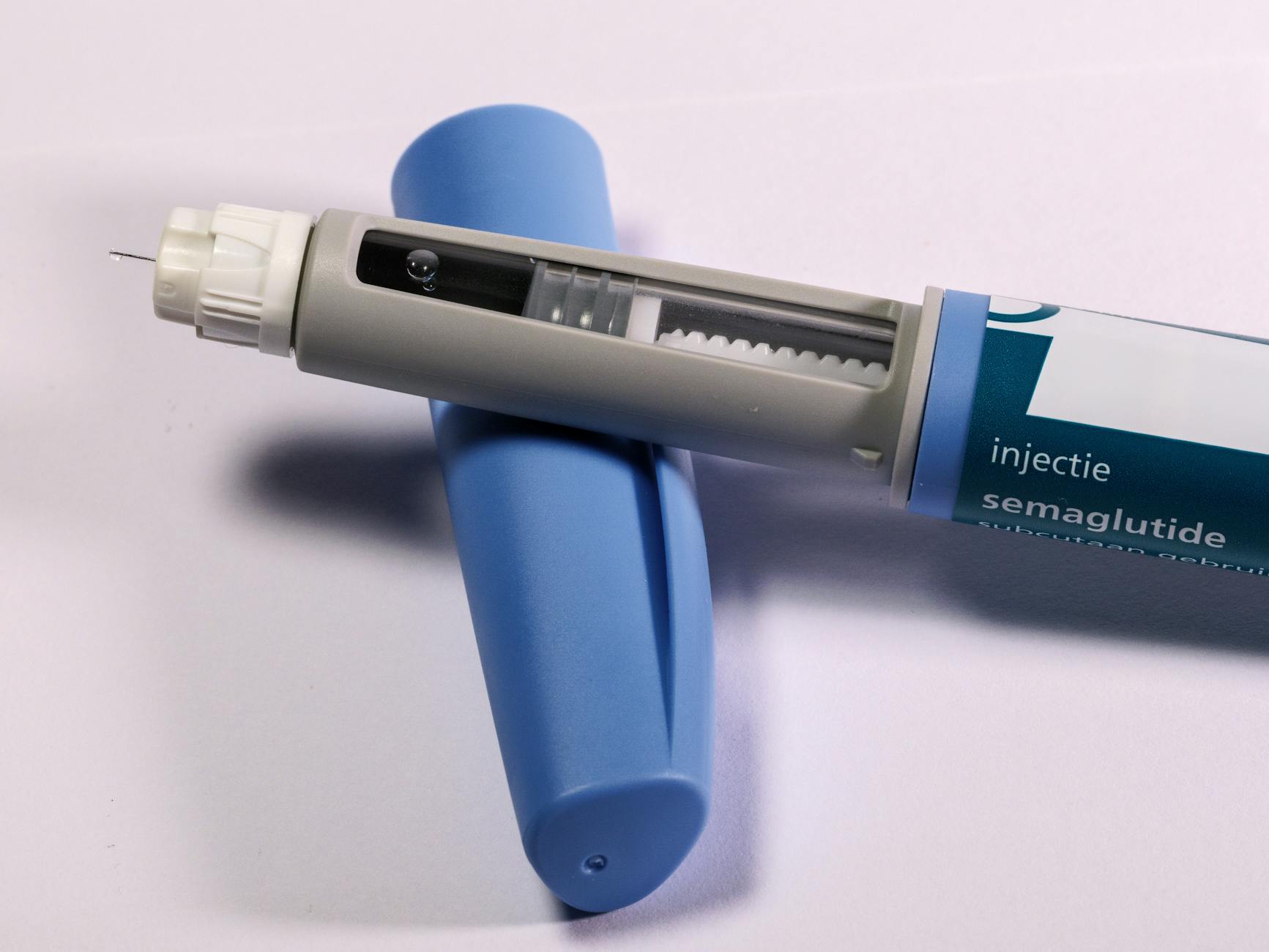
A study published in Nature on September 2 found that daily injections of semaglutide, a GLP‑1 receptor agonist sold as Ozempic and Wegovy, increased the median lifespan of 20‑month‑old female mice by 12 %, from 742 to 834 days, while also reducing cellular markers of aging.
Key Takeaways
- Semaglutide extended median lifespan of female mice by 12 %.
- Treatment reduced food intake by 24 % and lowered DNA damage and inflammation.
- Improved physical and cognitive performance, including balance, endurance, and memory.
- Benefits were comparable to calorie restriction but added enhancements in memory and glucose tolerance.
- Study used only female mice; muscle loss risk remains a concern for older humans.
| Metric | Value | Why it matters |
|---|---|---|
| Study date | September 2, 2023 | Recent evidence on aging. |
| Drug | Semaglutide (Ozempic/Wegovy) | Widely prescribed for obesity and diabetes. |
| Median lifespan increase | 12 % | Significant extension in a mouse model. |
| Food intake reduction | 24 % | Matches calorie‑restriction levels. |
What Are GLP‑1 Drugs?
GLP‑1 medicines, such as semaglutide, mimic a natural hormone that signals fullness and regulates blood sugar. They are approved in the United States for obesity, type 2 diabetes, cardiovascular risk reduction, kidney disease progression, and sleep apnea relief.
The Mouse Study Design
Researchers at the University of California, Berkeley, injected 20‑month‑old female mice—equivalent to 60‑year‑old women—with daily semaglutide for the rest of their lives. A control group received saline shots. Male mice were excluded due to aggression that could confound results.
Results: Lifespan and Healthspan
Semaglutide‑treated mice lived a median of 834 days versus 742 days for controls, a 12 % increase. After three months, treated animals were more active, curious, and spry. They balanced longer on rotating rods, ran farther on treadmills, and navigated mazes faster. Molecular analyses revealed reduced DNA damage and inflammation, hallmarks of aging.
Comparison to Calorie Restriction
Both semaglutide and a 24 % calorie‑restricted diet produced similar lifespans and endurance. However, semaglutide mice showed better memory, exploration, and glucose tolerance, suggesting benefits beyond simple calorie reduction.
Limitations and Future Directions
The study involved only female mice, so gender differences remain unknown. Additional mouse experiments are needed to confirm findings and uncover mechanisms. Human trials are essential before clinical application.
Potential Risks
GLP‑1 use can cause muscle loss, a concern for older adults already experiencing sarcopenia. Skeletal muscle is a major endocrine organ, and exercise may counteract this effect.
Why It Matters
These results hint that a widely available drug could mimic the longevity benefits of calorie restriction without the need for strict dieting. If replicated in humans, semaglutide might become a tool for extending healthy lifespan, but safety concerns such as muscle loss must be addressed.
Frequently Asked Questions
What was the exact lifespan extension observed?
Semaglutide increased median lifespan from 742 to 834 days, a 12 % rise.
Why were only female mice used?
Male mice were excluded because their aggression could complicate behavioral and physiological measurements.
Does semaglutide work the same as calorie restriction?
It matches calorie restriction in lifespan and some physical tests, but also improves memory and glucose tolerance, indicating additional mechanisms.
What are the main risks for older humans?
Potential muscle loss, which could accelerate frailty, is a concern that requires monitoring and possibly exercise interventions.
When might these findings translate to human therapy?
Further animal studies and clinical trials are necessary before any human application can be considered.
Bottom Line
Daily semaglutide injections extended the lifespan of female mice by 12 % and improved multiple health markers, offering a promising, though still experimental, avenue for aging research. However, gender specificity, muscle loss risk, and the need for human studies temper enthusiasm for immediate clinical use.
Reporting based on: original source.


Comments
Post a Comment