Neolithic Etched Obsidian Arrowheads: New Finds Expand the Record
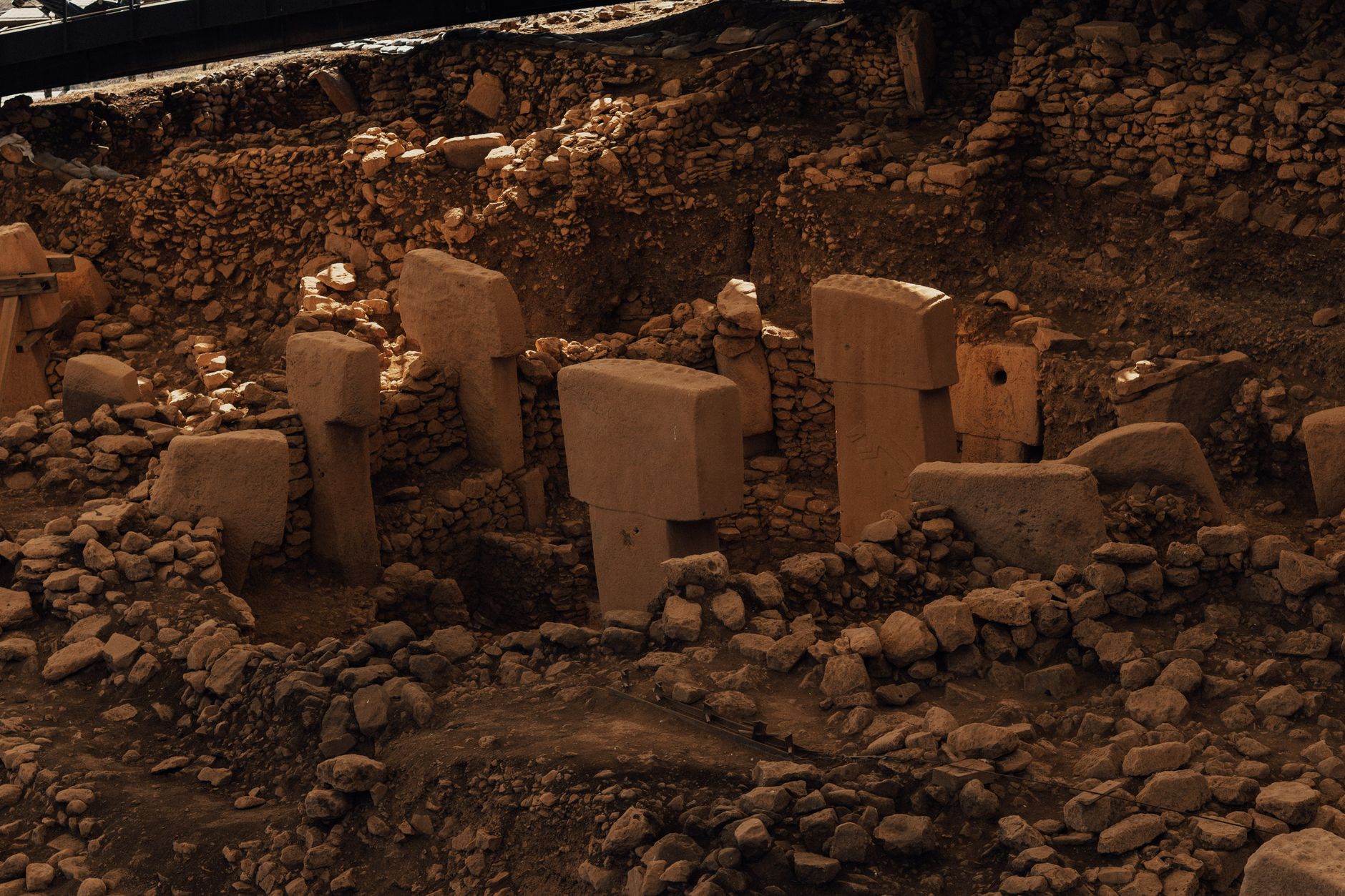
Researchers have added 11 newly catalogued etched obsidian arrowheads to the known collection, bringing the total documented examples to 54. The artifacts, dating to the Late Neolithic era and some crafted nearly 9,000 years ago, were studied in Turkey using microscopy and experimental replication.
Key Takeaways
- Eleven additional etched obsidian arrowheads were catalogued, raising the total to 54.
- Microscopic analysis and experimental replication showed the incisions required a tool harder than obsidian, likely flint.
- Archaeologists Alice Vinet and Kathryn Ataman are central figures in the study and its historical context.
| Metric | Value | Why it matters |
|---|---|---|
| Total documented arrowheads | 54 | Shows the rarity and significance of the etched specimens. |
| Lead researcher | Alice Vinet (Aix‑Marseille Université) | Provides academic credibility and a French research perspective. |
| First describer | Kathryn Ataman (1988) | Establishes the historical timeline of scholarly attention. |
| Age of the oldest specimens | Nearly 9,000 years | Places the artifacts in the Late Neolithic cultural horizon. |
| Tool required for incisions | Flint (harder than obsidian) | Reveals technological choices of Neolithic artisans. |
What the Arrowheads Are
The objects are obsidian arrowheads bearing deliberate, shallow incisions that form geometric patterns. Their craftsmanship suggests a symbolic or decorative purpose beyond mere weaponry.
The incisions are not the result of wear; they were intentionally etched.
New Discoveries Expand the Record
An unnamed colleague of Alice Vinet uncovered an additional arrowhead in 2019, prompting a systematic cataloguing effort that identified 11 more specimens.
The total count now stands at 54, a substantial increase for such a rare class.
How the Incisions Were Made
Microscopic examination revealed that the cuts could not have been produced with obsidian itself, which is too soft to leave the observed marks.
Experimental replication confirmed that a harder stone, such as flint, was necessary to achieve the precise etchings.
Flint tools imply a deliberate choice of material for artistic expression.
Historical Context in Late Neolithic Turkey
The arrowheads belong to a period when settled communities were emerging across Anatolia, and obsidian trade networks were flourishing.
Their age—nearly 9,000 years—places them among the earliest known examples of decorative stonework in the region.
Implications for Archaeology
The findings challenge assumptions about Neolithic toolkits, suggesting artisans possessed specialized knowledge of harder lithic materials.
They also raise questions about the social or ritual significance of etched weaponry in prehistoric societies.
Why it matters
Understanding the production techniques of these arrowheads sheds light on technological innovation during the Late Neolithic. The expanded inventory provides a richer dataset for comparative studies across the Near East, potentially redefining timelines for symbolic behavior. Future excavations may uncover more examples, refining our picture of early human creativity.
Frequently asked questions
How many etched obsidian arrowheads are currently documented?
A total of 54 examples have been recorded after the recent addition of 11 new specimens.
Who first described these arrowheads?
Archaeologist Kathryn Ataman first described the etched arrowheads in 1988.
What tool was likely used to create the incisions?
The study concluded that a harder stone, such as flint, was required to make the cuts.
How old are the oldest arrowheads?
Some of the artifacts date to nearly 9,000 years ago, placing them in the Late Neolithic era.
Where were the most recent arrowheads found?
The newly catalogued specimens were discovered in Turkey, with one found by a colleague of Vinet in 2019.
Bottom Line
The addition of 11 etched obsidian arrowheads raises the known total to 54, confirming that Neolithic artisans in Turkey employed flint tools to create intricate designs on obsidian—a revelation that deepens our understanding of prehistoric craftsmanship and symbolic expression.
Reporting based on: original source.


Comments
Post a Comment