Developmental Topographical Disorientation: How Some People Get Lost in Their Own Homes
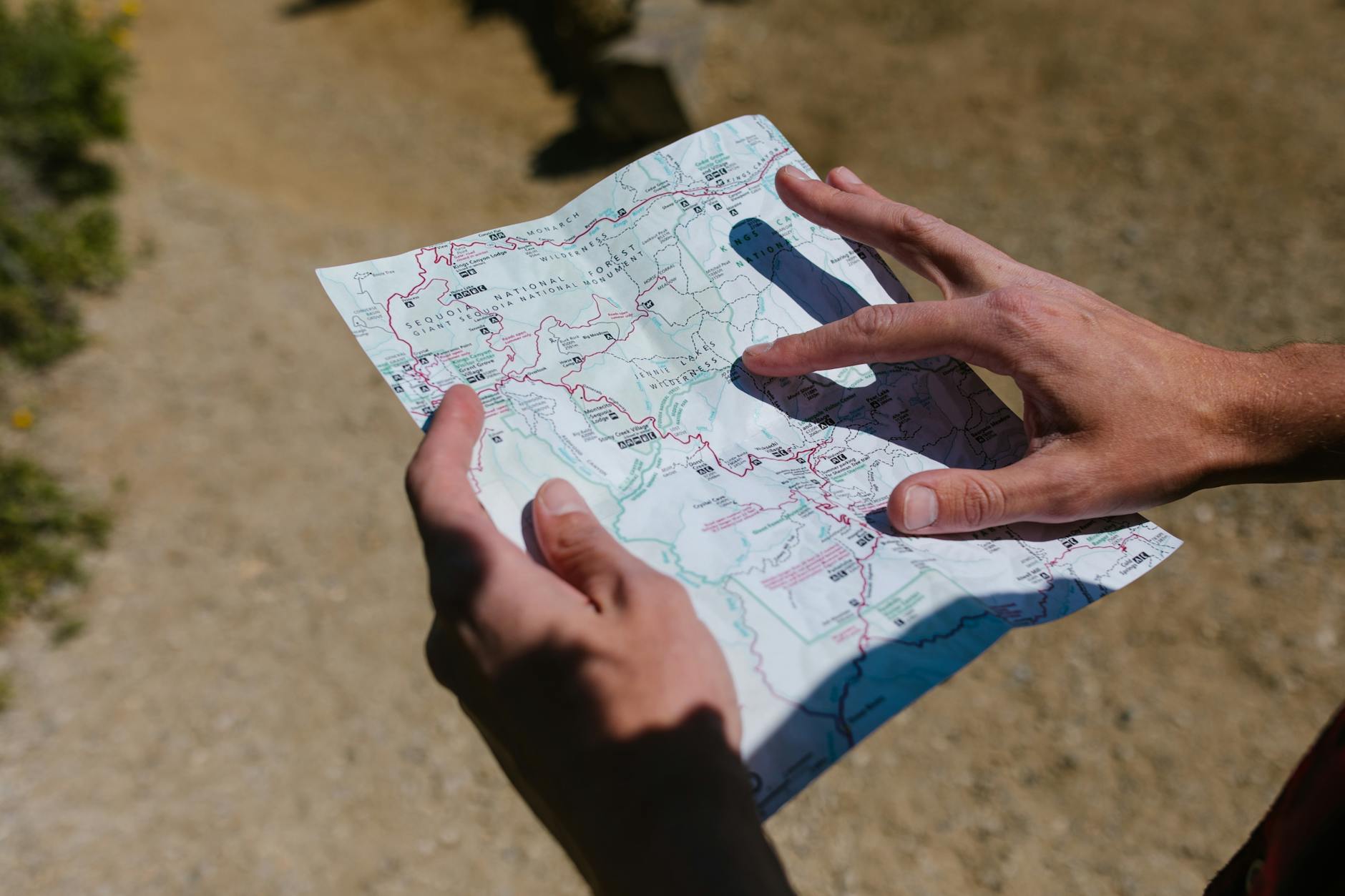
Developmental topographical disorientation (DTD) is a lifelong neurological condition that prevents individuals from forming reliable mental maps of familiar surroundings, despite intact sensory and intellectual functions. The first documented case was reported in 2009 by neuroscientist Giuseppe Iaria and colleagues at the University of British Columbia, who studied a woman who had struggled with navigation throughout her life while maintaining normal cognitive abilities.
Key Takeaways
- DTD causes lifelong difficulty in building cognitive maps, not general memory loss.
- Landmark recognition remains intact while spatial relationships are disrupted.
- Brain imaging shows atypical activation in memory and navigation regions during map construction.
- Individuals often rely on GPS or memorized routes to navigate.
- There is no standardized diagnostic tool; research is ongoing.
| Metric | Value | Why it matters |
|---|---|---|
| Condition name | Developmental topographical disorientation (DTD) | Identifies a specific lifelong navigation impairment. |
| First identified | 2009 | Marks the beginning of formal research on the condition. |
| Primary researcher | Giuseppe Iaria, University of British Columbia | Provides the foundational study and terminology. |
| Core symptom | Difficulty constructing cognitive maps of familiar environments | Distinguishes DTD from other navigation disorders. |
What DTD Looks Like in Daily Life
People with DTD can recognize buildings and landmarks but cannot place them accurately relative to each other. A familiar route may work as long as every cue appears as expected; a single change can derail navigation.
Even in a home, a person with severe DTD might remember the order of rooms but fail to depict their shapes, sizes, or positions correctly on a map.
When a road closure, a new entrance, or a wrong turn occurs, the sequence of environmental cues that the individual relies on is disrupted, making alternative routes difficult to identify.
The Science Behind Cognitive Maps
A cognitive map is a mental representation of how different places relate spatially. It allows for shortcut planning, alternative route selection, and recovery after a wrong turn.
In DTD, constructing this broader spatial representation is particularly challenging, while landmark recognition remains preserved.
Studies using real and virtual environments revealed that individuals with DTD struggle specifically with building these maps, not with recognizing individual landmarks.
Brain Imaging Insights
Functional imaging during map construction shows that brain regions involved in memory and spatial navigation do not exhibit the typical activation patterns seen in control participants.
These atypical patterns suggest a neural basis for the impaired map-building ability in DTD.
Such findings underscore that DTD is not a result of acquired brain injury but rather a developmental anomaly affecting spatial cognition.
Diagnosis and Research Challenges
Researchers identify DTD by observing severe navigation problems that persist since childhood, repeated getting lost in familiar places, and the absence of other cognitive or neurological conditions that could explain the deficits.
Currently, no standardized diagnostic tool exists, and studies employ varied definitions and assessment methods. Efforts are underway to develop clearer criteria that distinguish DTD from the wide range of navigational abilities in the general population.
Coping Strategies and Technology
Individuals often compensate by memorizing specific routes, relying on others for directions, or using navigation technology such as GPS.
While GPS can restore independence, its widespread use may conceal the underlying difficulty, as people who follow phone directions rarely experience the challenge of navigating without assistance.
These coping mechanisms highlight the practical impact of DTD on everyday mobility and decision-making.
Why It Matters
Understanding DTD reveals how much the brain silently orchestrates spatial orientation in everyday life. The condition illustrates that navigation is a complex, coordinated process involving memory, spatial reasoning, and environmental cues.
For those affected, DTD can limit independent movement, influence educational and career choices, and necessitate reliance on technology or social support.
Research into DTD also informs broader neuroscience questions about how the brain constructs and utilizes internal maps of the world.
Frequently Asked Questions
What distinguishes DTD from other navigation disorders?
Unlike navigation problems that arise after brain injury or disease, DTD is lifelong and occurs without an acquired brain injury. It specifically impairs the construction of cognitive maps while preserving landmark recognition.
How was DTD first identified?
In 2009, Giuseppe Iaria and colleagues at the University of British Columbia reported the first case of DTD, describing a woman who had struggled with navigation throughout her life despite normal sensory and intellectual abilities.
Can people with DTD navigate using GPS?
Many individuals with DTD rely on GPS or other navigation aids to compensate for their difficulty in forming mental maps, which can restore a degree of independence.
Is there a cure for DTD?
No cure exists; research is focused on better diagnostic tools and understanding the underlying neural mechanisms to develop targeted interventions.
What research is currently being done on DTD?
Studies are exploring standardized diagnostic criteria, the neural basis of impaired map construction, and how DTD differs from normal variations in spatial cognition.
Bottom Line
Developmental topographical disorientation is a rare but significant neurological condition that impairs the ability to build reliable mental maps of familiar environments. Recognizing its unique features—intact landmark recognition, lifelong onset, and distinct neural signatures—helps differentiate it from other navigation disorders and underscores the brain’s hidden work in guiding us through everyday spaces.
Reporting based on: original source.


Comments
Post a Comment