Asteroid 99942 Apophis: A Close Call in 2029
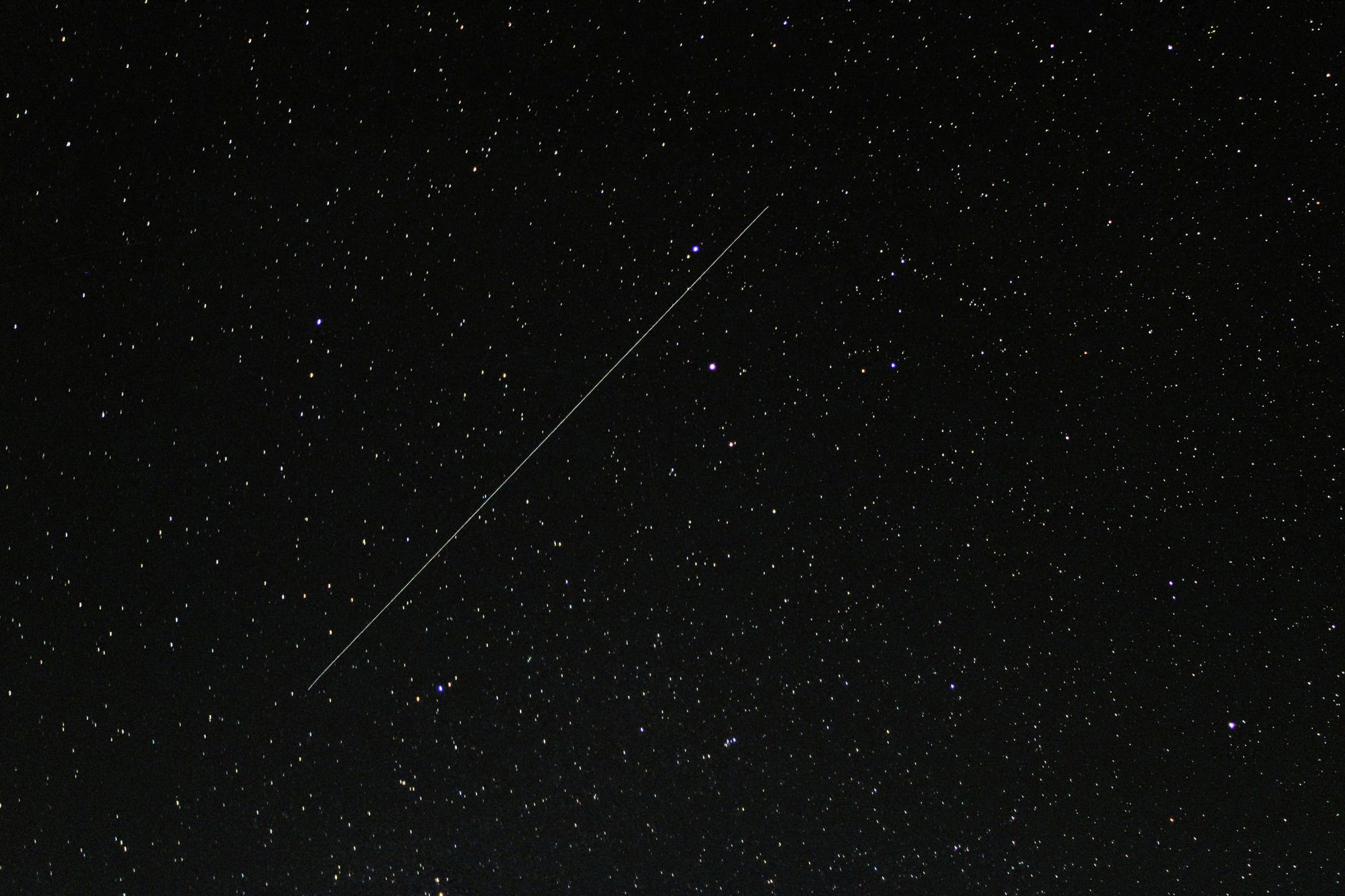
- Asteroid 99942 Apophis will make a close flyby of Earth in April 2029, coming within 20,000 miles of our planet.
- The asteroid is approximately 1,210 feet long and is a significant object in near-Earth space.
- Scientists are concerned that human-made space debris in geosynchronous orbit could potentially collide with Apophis, affecting the accuracy of scientific observations.
A Concerned Scientific Community
Physicist Giulia Schettino and astrodynamicist Alessandro Rossi of the Institute of Applied Physics "Nello Carrara" (IFAC) of the Italian National Research Council (CNR) have been studying the potential risks of Apophis's close flyby. They published a paper in The Planetary Science Journal highlighting the possibility of a collision with human-made space debris in geosynchronous orbit.According to Rossi, "I have to say that I was expecting a 'null experiment', i.e., no possible interactions. I was struck by the possibility to have some objects potentially coming to less than a few kilometers from the asteroid."
The Potential Risks of a Collision
A collision between Apophis and human-made space debris could have significant consequences for scientific observations. The impact could create a small crater or plume of debris, which could be detectable by the spacecraft observing the asteroid. However, the primary concern is that the collision would make it more difficult to disentangle which changes were caused by Earth's gravity and which were caused by the impact.| Consequence | Description |
|---|---|
| Small crater or plume of debris | Could be detectable by spacecraft, but may not significantly affect the asteroid's orbit |
| Difficulty in interpreting scientific observations | A collision could make it harder to distinguish between changes caused by Earth's gravity and changes caused by the impact |
A Call to Action: Improving Our Understanding of Space Debris
The study highlights the need for a more comprehensive understanding of the population of small debris in high Earth orbit. Rossi hopes that Apophis's flyby will provide motivation for improving our knowledge of this region."Yes, I do," Rossi said when asked whether the encounter should spur a more complete survey of high-altitude space debris. "In the next few years, new surveillance telescopes will be introduced by the EU Space Surveillance System… [They] will be used exactly for the purpose of increasing our knowledge of the high Earth orbit populations."
What This Means / What to Watch Next
The close flyby of Apophis in 2029 presents a unique opportunity for scientists to study the asteroid and its behavior in near-Earth space. However, the potential risks of a collision with human-made space debris highlight the need for a more comprehensive understanding of the population of small debris in high Earth orbit. As we move forward, it will be essential to prioritize the development of new surveillance systems and improve our knowledge of this region to mitigate potential risks.Frequently Asked Questions
Q: What is the asteroid 99942 Apophis?
A: 99942 Apophis is a massive asteroid, approximately 1,210 feet long, that will make a close flyby of Earth in April 2029.
Q: What is the potential risk of a collision with human-made space debris?
A: A collision could create a small crater or plume of debris, which could be detectable by spacecraft, but may not significantly affect the asteroid's orbit. The primary concern is that the collision would make it more difficult to disentangle which changes were caused by Earth's gravity and which were caused by the impact.
Q: What is being done to improve our understanding of space debris?
A: New surveillance telescopes will be introduced by the EU Space Surveillance System in the next few years, which will be used to increase our knowledge of the high Earth orbit populations.
Conclusion
The close flyby of Apophis in 2029 presents a unique opportunity for scientists to study the asteroid and its behavior in near-Earth space. However, the potential risks of a collision with human-made space debris highlight the need for a more comprehensive understanding of the population of small debris in high Earth orbit. As we move forward, it will be essential to prioritize the development of new surveillance systems and improve our knowledge of this region to mitigate potential risks.Reporting based on: original source.


Comments
Post a Comment